

Diets come and go, but when we look to the Bible for insight, we see that God, who made our bodies and all of creation, had some ideas about what man should eat. In the Bible, I found a couple of examples where God provided for the sustenance of groups of people. What did He choose to give them? In each case, it was bread and meat.
What did God feed the Israelites?
One example was when the Israelites left Egypt and were in the wilderness for 40 years, God provided the food. This food had to sustain a large number of people, each day, for a very long period of time.
They asked for meat, and he sent them quail;
he satisfied their hunger with manna—bread from heaven.
Psalm 105:40 NLT
What did Jesus feed the 5000?
Another example: There were 5000 listening to Jesus teach, but they all needed to eat. Jesus had compassion on the crowd. The disciples found a boy with five barley loaves and two small fish.
Then Jesus took the loaves, gave thanks to God, and distributed them to the people. Afterward he did the same with the fish. And they all ate as much as they wanted.
John 6:11 NLT

So here we have it again. Bread and meat. It makes me wonder, if bread is so bad, why did God choose to feed people bread in these two instances?
Jesus-The Bread of Life
Another argument for the importance of bread is that Jesus calls himself the “Bread of Life.” Would Jesus call himself something that was inferior? No, in fact, listen to His own words.
“I am the bread that came down from heaven.” John 6:41b NLT
Yes, I am the bread of life! John 6:48 NLT
The bread we consume in America today can be harmful to our health because it has been stripped of many of its essential nutrients. While manufacturers may fortify it with some vitamins, the levels do not match those found in the original version. In contrast, the bread mentioned in the Bible was quite different. It contained the bran, endosperm, and germ, each of which is rich in the nutrients we need to function properly.
The Bran-The hard, outer shell of the grain kernel. Provides the majority of the grain’s fiber. Rich in B vitamins, iron, copper, zinc, magnesium, and other beneficial plant compounds.
The Endosperm-The largest part of the grain. Serves as the energy supply, primarily containing carbohydrates (starch) and protein.
The Germ– The core or embryo of the seed, which can sprout into a new plant. Contains healthy fats, vitamin E, B vitamins, and antioxidants.
Truth be told, we need real bread from all parts of the grain. Yes, it’s a very different product, but all the nutrients that God wanted us to have in bread are there.
I’ve experimented with various types of diets, many of which recommend avoiding bread or limiting it significantly. However, now that I’m eating whole-grain bread made from flour I mill myself, I aim to include more of it in my daily diet. It’s rich in vitamins and nutrients, and it provides the fiber needed to address my gut issues. Since incorporating it, my energy levels have improved, I feel healthier, and my skin problems have cleared up. I try to keep to whole-grain baked goods and stay away from white and wheat flours.
Three ways to get whole-grains into your diet.

Milling your own flour and making your own bread products is the gold standard, but this takes the most effort.

I have found that some artisan bakeries now carry whole-grain bread, and many carry fresh-milled wheat, too.
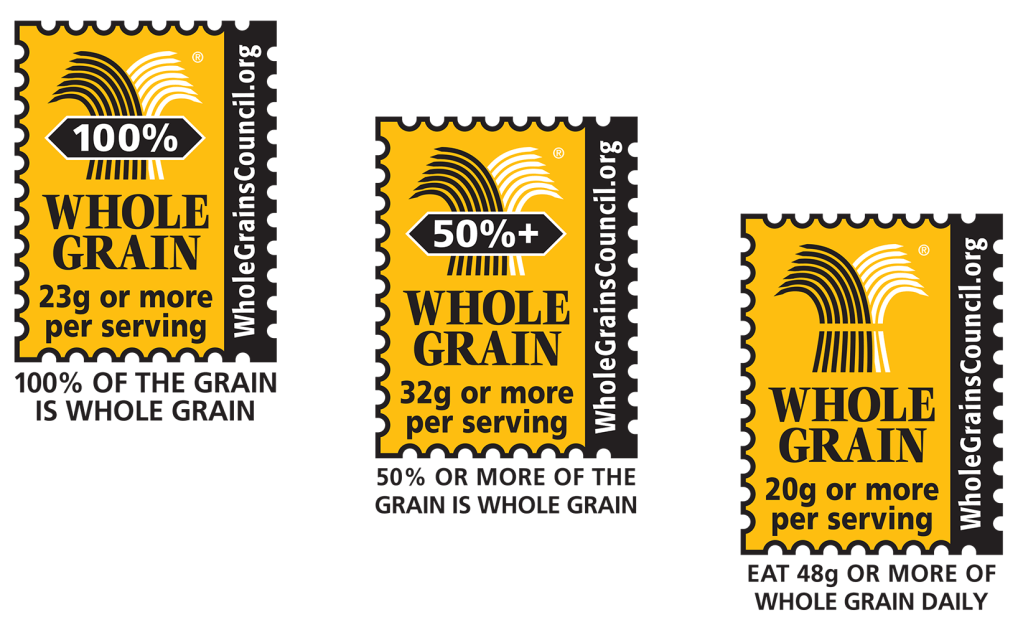
Another option is to look for the golden whole grain stamp on products from your local grocery store. Choosing groceries from 100% whole grains is best, 50% is good, and the straight whole grain stamp is fair. When it comes to these products, be sure to check the ingredients, as they may contain preservatives or other unwanted ingredients.
Biblical Insight
The Bible offers many answers for our lives, including guidance on what we should eat. That’s why I prioritize meat and whole-grain bread. If that’s what God provided for people, I believe it’s good for me too. I enjoy fruit and vegetables as well; they bring color and variety to our plates. However, when I plan my meals, I make sure to include enough protein and grains, whether they are baked or boiled.
Have you tried milling your own flour? I’d love to hear what your experience has been.
Whole Grain Flour, I recommend. Grand Teton Ancient Grains
This flour is perfect for pancakes, muffins, and cookies. Einkorn is an ancient grain.
Thanks Kim. This is an excellent post! I’m glad you and your family are able to have the good bread. Of course, as you stated, It is next to impossible to find any good bread in stores and has been this way for many years (decades), though Ezekiel Bread remains available. I will look into the other. Making your own bread is a great thing.
As you know, it is not only that available processed bread is not nutritious, it also causes health problems and people would obviously be much better off never having it.
This subject you have raised also points to what has become of most forms of Christianity in America. There are parallel similarities.
The bread IS causing health problems. It’s just so sad. It’s suppose to be very good and they have ruined it.